
Are you finding wet spots, cove seepage, or musty smells in your basement in Republic, MO? We see this often and we’ve looked into fixes like sump pump systems and drain tile. Missouri’s heavy rain and clay soil raise hydrostatic pressure and make water problems worse. We’ll compare interior drainage, exterior waterproofing, and encapsulation and explain interior versus exterior waterproofing in plain terms. Read on to learn the pros and cons so you can pick the right solution for your home.
We use interior drainage to catch water inside the basement before it causes damage. This kind of waterproofing often works well in homes that struggle with groundwater or frequent moisture management problems.
We install systems that move water out of basements in Republic, MO. We focus on simple, fast fixes that stop moisture and mold.
Perimeter drain tile under the slab uses perforated pipe set in washed gravel to collect groundwater. A drainage channel along the basement walls directs seepage into the drain tile and a sump basin. This basin holds the collected water, and a sump pump moves it out and away from the foundation. We pick pumps with battery backups so the system runs during power outages. The interior drainage ties to an interior French drain running along the footing to channel water effectively.
We add interior vapor barriers on walls and floors to reduce moisture and help with overall moisture control. Dehumidifiers work alongside the drainage to lower humidity and cut mold growth in basements. We install drain tile that ties to a discharge line to move water away from the building envelope. These drainage systems rely on proper slopes and connections to keep groundwater from pooling near the foundation.
We use interior waterproofing to manage water that has already infiltrated the foundation area. Interior drainage systems pair seamlessly with sump pumps and membranes for solid basement waterproofing. Installation typically finishes in one or two days with no excavation, which limits disturbance to your landscaping and reduces the project duration. These interior systems require less maintenance in the long term compared to exterior basement waterproofing. A licensed waterproofing contractor in Greene County can inspect your footings and recommend the best interior or exterior options.
Interior drainage systems work well for several common issues. We often find that homeowners need this solution when hydrostatic pressure causes water to leak through cove joints or floors. This system addresses leaks from below by tackling the problem at its source.
Some situations make interior drainage a smart choice. For example, we see many homes with non-structural wall cracks, and a quick crack injection can seal these effectively alongside your drainage system. In cramped spaces where digging is impractical due to fences or other buildings, this option shines brightly. It also suits unfinished basements nicely, as quick and efficient repairs avoid any digging hassle altogether. Water doesn’t wait for anyone, and it always finds its way in.
Exterior drainage systems direct water away from our homes. They protect us from water damage by channeling excess rainwater or melting snow outside the foundation. We often use French drains and downspout extensions in these setups, ensuring that moisture doesn’t linger near our basements or crawl spaces. These systems are essential for maintaining a dry environment.
Exterior drainage systems protect our homes from water intrusion and provide strong preventative measures against moisture problems.
Waterproof membranes form a barrier around the foundation wall. We apply a thick layer of asphalt-modified polyurethane for added strength. Drainage boards then work to funnel water away from the foundation and direct any collected water toward appropriate drainage systems. Perforated pipes, known as exterior drain tiles, intercept groundwater before it builds up pressure. This action helps prevent basement moisture and possible water infiltration.
Excavation surrounds the foundation during installation, which can be labor-intensive but necessary for effectiveness. This process involves digging up soil to reach the foundational walls. Proper grading and water flow modifications safeguard against future issues, and adjusting the landscape directs rainwater away from our property.
Exterior waterproofing tends to involve extensive excavation and required manpower. While this may appear challenging, it offers lasting protection with fewer maintenance concerns. Frequent checks and maintenance enhance system efficiency over time, ensuring that everything functions as intended. These methods are generally highly effective for long-term prevention of water damage.
Exterior drainage works best for new constructions or major renovations. It suits masonry foundations well, as these structures often absorb water through their porous surfaces and damaged mortar joints. Water can enter over the top of the foundation wall due to poor grading or a failing drainage system, making exterior waterproofing necessary.
We also recommend this option for honeycombed or porous poured concrete. If you have a finished basement with limited access inside, exterior methods become the preferred choice. We perform crack repair by digging at crack locations, applying a lasting seal, and backfilling afterward. Access may be harder for repairs, but these systems require less maintenance and effectively reduce pressure against foundation walls in Greene County homes.
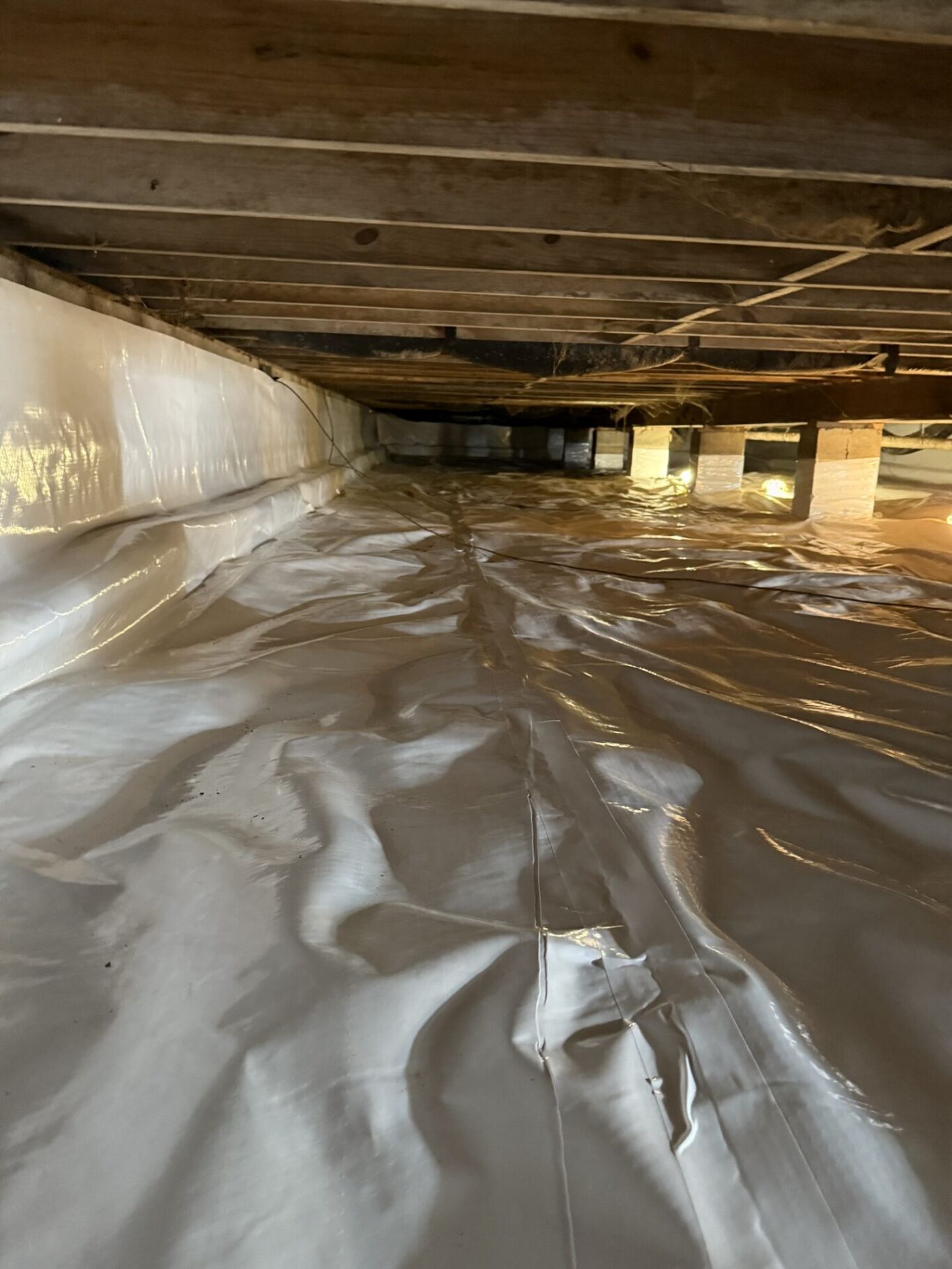
Encapsulation systems create a seal around your crawl space. This method keeps moisture out and protects your home from mold and damage.
Encapsulation serves as a great solution for controlling moisture in crawl spaces and unfinished basements. It provides many advantages for homeowners seeking improved indoor environments.
Encapsulation improves indoor air quality by drastically reducing mold and mildew growth, making breathing easier. This method increases energy efficiency by minimizing humidity levels. A well-sealed space lowers HVAC workloads and reduces overall energy consumption. Limiting water and vapor exposure protects your home over time, and encapsulation can extend the lifespan of foundation materials significantly.
We find encapsulation particularly effective for homes with persistent moisture and odor issues because it tackles those unpleasant smells directly. The system incorporates vapor barriers and sealing techniques effectively, which prevents water intrusion before it becomes a problem. Encapsulation acts as a preventative measure in Missouri’s humid climate, stopping significant water damage from taking place down the road.
Using this strategy alongside drainage solutions enhances effectiveness even further, and we recommend pairing them for optimal results. Homeowners often notice an improvement in comfort and livability after implementing encapsulation measures, as it transforms spaces into inviting retreats. Exploring the benefits of encapsulation helps us make informed choices about waterproofing our homes in Republic, MO.
Choosing between interior drainage, exterior drainage, or encapsulation is crucial for any homeowner in Republic, MO. Interior systems help control water already inside the foundation. Exterior solutions focus on stopping moisture before it enters. Encapsulation offers solid protection for crawl spaces and basements alike.
Each method serves a clear purpose, and balancing them often gives us the best results against Missouri’s weather challenges. We guide our clients through these options to find the right fit for their homes. Call us today!
Business Name: Guardian Foundation Repair
Address: Willard, MO 65781
Phone: 417-742-8960
Business Hours:
Mon - Fri: 8:00 AM to 5:00 PM
Sat-Sun: Closed


Springfield MO • Willard MO • Ozark MO • Joplin MO • Republic MO • Nixa MO • Nevada MO • Branson MO • Camdenton MO • West Plains MO • Southwest City MO • Carthage MO • Rogersville MO • Sparta MO • Strafford MO • Marshfield MO • Stockton MO • Ava MO • Neosho MO • Anderson MO • Buffalo MO • Sedalia MO • Warsaw MO • Warrensburg MO • Clinton MO • Rolla MO • St. James MO • Waynesville MO • Cooper County MO • Cole County, MO • Boone County, MO • Calloway County, MO • Moniteau County, MO