
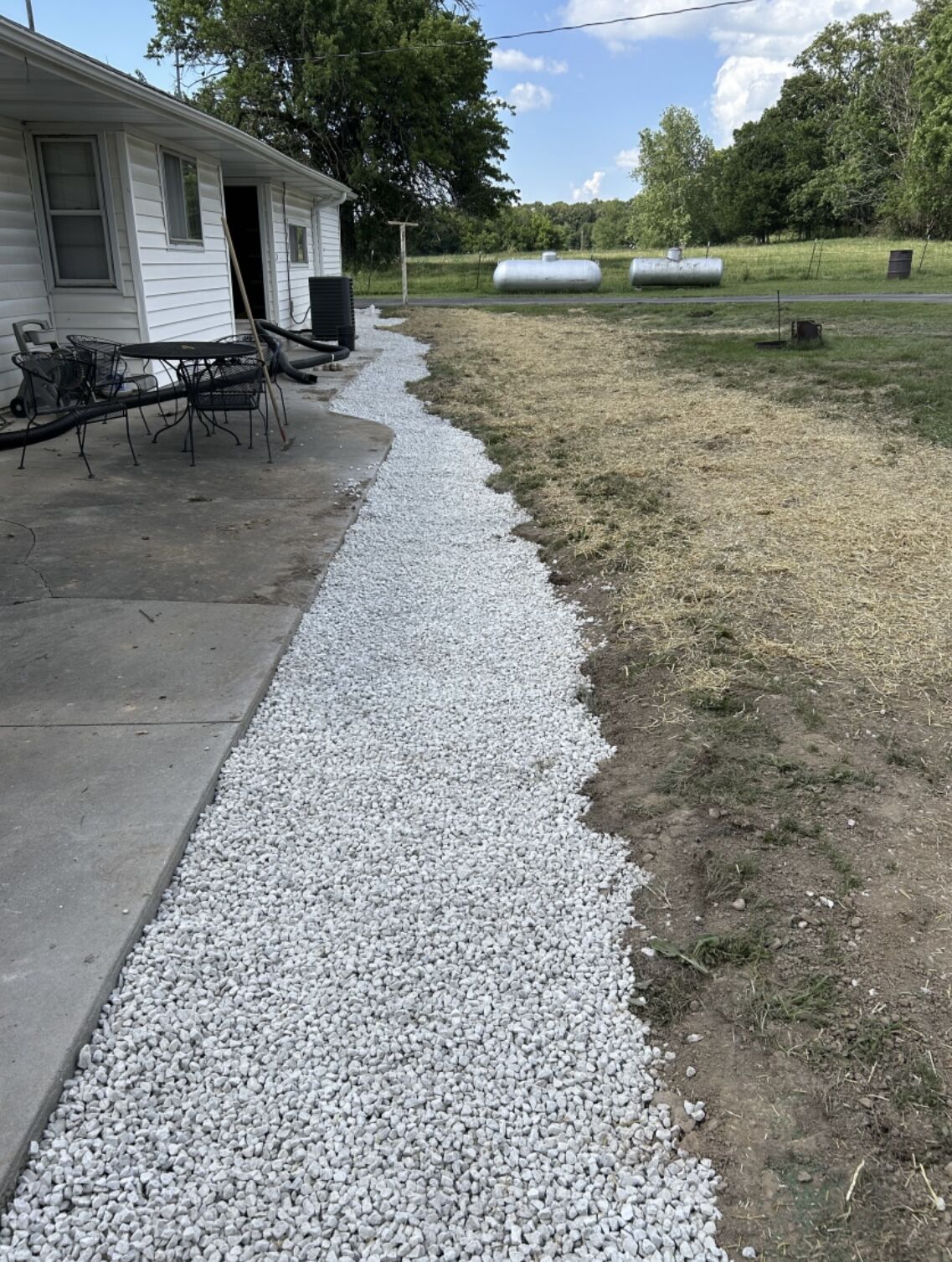
Is water pooling near your house and leaving wet spots by the foundation? Foundation damage causes often start with poor yard drainage, clogged gutters, and soil movement under slab foundations.
This post shows how to fix water pooling near foundation with proper gutters, downspout extension benefits, grading changes, sump pumps, and crawl space care. Read on to learn simple steps that save you money
Too much water near your home’s base can cause soil conditions to shift, putting stress on the concrete foundation. This extra moisture may lead to foundation cracks or even serious problems like plumbing leaks and structural failure—costing more to fix over time.
Visible foundation cracks larger than 1/4 inch, especially horizontal ones or those leaking water, often show structural movement. Heavy rains and dry spells shift soil, and fissures on slopes may follow.
Persistent cracks in walls and ceilings that grow or reappear after repairs point to foundation movement. Hydrostatic pressure and poor drainage system design force moisture into foundations, and expansive clay soils heave and shrink around footings.
Severely sloping floors and windows that crack without impact signal uneven settling and foundation failure. Retaining walls that bow or shift show ground movement tied to soil settlement.
Homeowners call foundation repair contractors for slab repair, house leveling, helical piers, polypier, steel push piers, or ram jack solutions. Trees and tree roots change moisture through transpiration and evaporation, so use a root barrier and adjust downspouts and crawl space encapsulation to protect the basement and the home’s structural integrity.
Poor drainage can lead to serious water damage in your home. Homes built on clay-rich soil face this risk more often. Clay swells when it gets wet, then shrinks as it dries out. This back and forth can cause foundation settlement; cracks may appear due to these shifts.
Standing water under the house worsens the problem. It can crack chimneys and let water leak from under-slab pipes, damaging the foundation.
Wet or leaking basements and crawl spaces are signs of trouble too. They suggest that moisture is seeping in because of bad drainage solutions like outdated gutters or sloped land not moving water away properly.
Sump pumps and interior drainage systems can help combat these issues, but it’s important to catch them early. Left unchecked, poor drainage leads to costly repairs down the line for concrete foundation repair or waterproofing methods needed later on.
Good drainage keeps water away from your home. Proper gutters and downspouts help channel rainwater off your roof. Smart grading adjusts the land around your house to direct water flow.
These steps protect your foundation from cracks and leaks… You won’t regret taking action!
Proper gutter systems and downspouts are crucial for your home’s health because they help direct water away from your foundation and keep the soil dry. It is important to ensure that gutters are well-installed and sloped correctly, as a proper slope helps water flow smoothly towards downspouts and prevents blockages. You should also keep gutters free from debris like leaves or dirt since clogged gutters can cause water to overflow and lead to pooling around your foundation. Extending downspouts several feet away from the house is another simple step that directs water further from the structure and reduces the risk of soil saturation.
To further manage runoff, you can install a splash block at the end of each downspout to funnel water away and prevent erosion. Using high-quality materials such as aluminum or steel is also beneficial because these durable options resist rust and damage better than cheaper alternatives. We recommend that you regularly inspect and maintain your gutter system by looking for cracks or leaks in both gutters and downspouts, as these can lead to significant drainage issues over time. You might also consider adding gutter guards for extra protection to help keep out debris while allowing water to flow freely. Finally, make sure downspouts point away from concrete slabs and soil areas close to foundations, especially for homes with pier and beam foundations, to reduce hydrostatic pressure. At Guardian Foundation Repair, we offer expertise on effective gutter installation and maintenance solutions suited to your specific needs.
Good drainage is key to protecting your home, and grading and landscaping adjustments play a big role in this process. Grading directs water away from the foundation, which prevents soil erosion and foundation settlement to keep your home stable. Adjusting landscaping gradients is equally crucial because if the ground slopes towards your house, it can cause pooling near the foundation and lead to serious problems. You should also be aware that large tree roots can disrupt soil integrity, potentially affecting drainage and leading to cracks or shifts in the foundation.
Homes located on slopes face extra challenges because water runoff increases stress on foundations, making proper grading essential for stability. Since compacted soil often leads to surface water flow, poor drainage on slopes can undermine your foundation and expose it to damage. Strategic landscaping changes can improve drainage patterns and help prevent fissures in the soil during heavy rains or dry spells. This is particularly important for older homes that may have been built with outdated standards that contribute to poor drainage. Effective landscaping manages runoff efficiently, which reduces hydrostatic pressure around your foundation and protects against water leaks under slabs. Focusing on these adjustments protects the structural support at your home’s base and keeps foundation problems at bay.
Proper drainage helps keep your home strong and safe. It prevents expensive repairs from issues like foundation erosion or water leaks under the slab.
Good drainage boosts your home’s structural stability. It helps prevent soil erosion and stops the foundation from settling unevenly. This is key for homes on clay soils or slopes.
They face more soil movement without proper drainage, which can lead to big problems later.
Strong support systems, like helical piles or concrete and steel pilings, work best with good drainage. Proper water flow keeps retaining walls stable too; they are less likely to bow or shift.
With improved drainage, you will see fewer crooked doors and sticking windows caused by shifting foundations. Trusting in these solutions can extend your home’s lifespan and save you money on repairs down the road.
Proper drainage is key to saving money on home repairs. Ignoring drainage issues can lead to major problems like water leaks under your slab or wet basements. Fixing these problems later can cost thousands in foundation repairs, including crawl space encapsulation and wall repair.
Even simple fixes, like installing gutters and downspouts correctly, help prevent serious damage.
Investing in good drainage now protects your home for the future. It reduces the risk of needing costly repair methods such as steel piles or helical piers. By addressing drainage early, you avoid expensive emergencies that could arise from poor conditions, making it a smart choice for homeowners everywhere.
Proper drainage keeps your home safe and sound. It guards against water damage to your foundation. Small issues can turn into big problems if ignored, like cracks or shifting floors.
Investing in good drainage now prevents costly repairs later. Protect your home today, and enjoy a stable foundation for years to come!
Business Name: Guardian Foundation Repair
Address: Willard, MO 65781
Phone: 417-742-8960
Business Hours:
Mon - Fri: 8:00 AM to 5:00 PM
Sat-Sun: Closed


Springfield MO • Willard MO • Ozark MO • Joplin MO • Republic MO • Nixa MO • Nevada MO • Branson MO • Camdenton MO • West Plains MO • Southwest City MO • Carthage MO • Rogersville MO • Sparta MO • Strafford MO • Marshfield MO • Stockton MO • Ava MO • Neosho MO • Anderson MO • Buffalo MO • Sedalia MO • Warsaw MO • Warrensburg MO • Clinton MO • Rolla MO • St. James MO • Waynesville MO • Cooper County MO • Cole County, MO • Boone County, MO • Calloway County, MO • Moniteau County, MO