
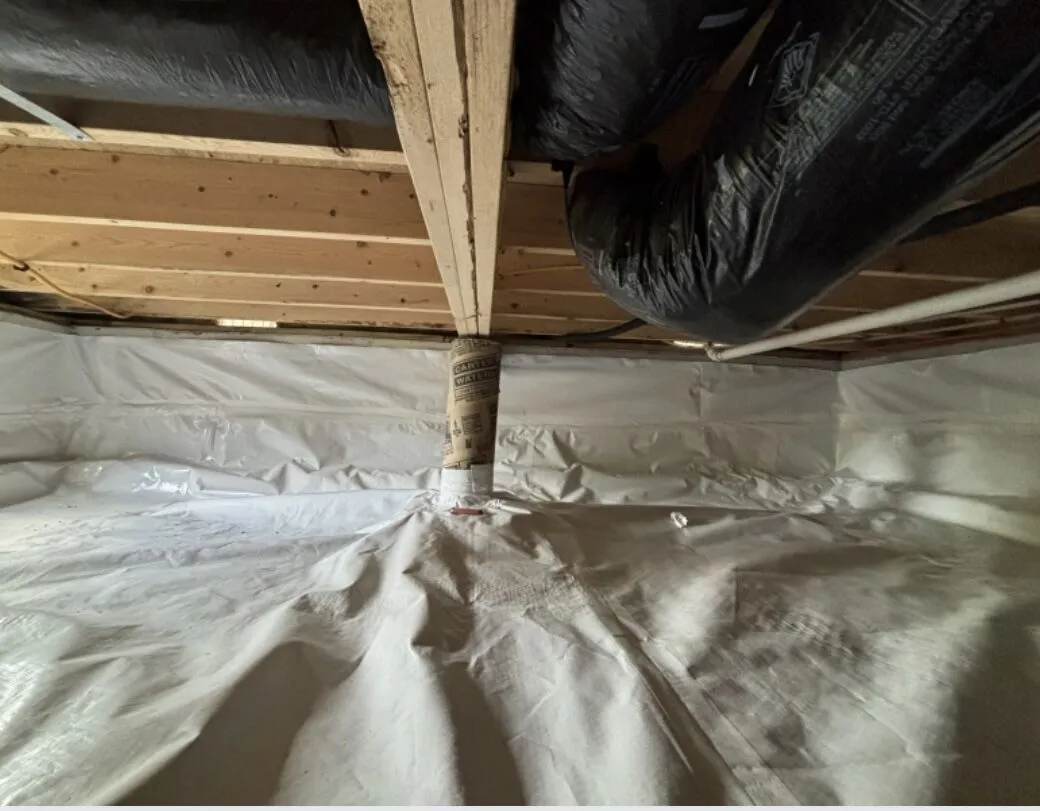
Do musty smells, high humidity, or sneezing indoors trace back to your crawl space? We know how frustrating that can be, and after digging into the research, we found that crawl space encapsulation lowers humidity, cuts mold growth, and can reduce energy usage by about 15 percent. Sealing with a vapor barrier, adding insulation, and using a crawl space dehumidifier stops moisture, improves indoor air quality, helps control dampness, and keeps pests out. Read on for practical fixes.
We seal the crawlspace with heavy vapor barriers, often up to 20 mil thick, and add insulation and a dehumidifier to control moisture. The process uses drainage trenches, sump pumps, and drainage matting to move water away from your home. Modern jobs often include high-quality vapor liners and moisture barriers, new electrical and lighting for maintenance, and backup systems for pumps. We install systems that tie into your HVAC system and can add radon gas mitigation if needed. A dry crawlspace means cleaner air in the living space. Older homes can need mold mitigation, insulation removal, and extra sealing before we wrap the space. A large job over 3,000 square feet can take about two weeks with a crew of four to five workers. We also build a rodent barrier and handle persistent water intrusion to protect structural integrity and improve crawlspace moisture control, indoor air quality, energy efficiency, and pest prevention.
When we seal a crawlspace, we help keep musty air and pesky critters out of your home. This step also means fewer allergy problems and better breathing for everyone under the roof.
Crawlspace encapsulation helps us tackle allergens and mold spores effectively. Homes with high humidity often breed these troublemakers, especially when humidity levels hit 80 to 90 percent before we start work. We maintain humidity below 55 percent after encapsulating the space. This simple step limits conditions that allow mold to thrive. Removing old insulation that holds mold also plays a key role in our process. Sealing the crawlspace reduces airborne contaminants entering your living spaces. After installation, many homeowners report fresher air and fewer musty odors. Our use of dehumidifiers further suppresses those pesky mold spores, creating a healthier environment for everyone in the house.
Moisture intrusion can wreak havoc on your home. A well-installed encapsulation system helps us fight this issue effectively. We rely on vapor barriers, which can be up to 20 mil thick, to block water from entering the crawlspace. French drains and sump pumps work alongside these barriers to divert any incoming moisture away. Drainage matting plays a crucial role too. It directs water toward the sump pumps, keeping your crawlspace dry even during heavy rain or snowmelt. For those with large crawlspaces, installing two dehumidifiers may become necessary as they help maintain dryness throughout the year. Stopping excess moisture keeps your wooden structures healthy and avoids problems like sagging floors or bowing joists in homes throughout South Carolina or Awendaw.
Crawlspace encapsulation offers energy efficiency improvements. It helps maintain a steady temperature in your home, making heating and cooling much more efficient. Plus, it keeps pests like rodents at bay. A sealed crawl space limits their hiding spots and keeps them out of your home’s cozy corners.
Crawlspace encapsulation helps you save energy. Homeowners report an average of 15 percent lower energy usage after encapsulating their crawlspaces. This process seals off the area, which keeps heat from escaping your home. It acts like extra insulation, and you can feel the difference in your heating and cooling efficiency. You will notice fewer fluctuations in humidity levels after encapsulation. This stability reduces wear on your HVAC systems and leads to more efficient operation. Many homeowners find their indoor temperatures become more consistent. Encapsulation improves comfort and also helps prevent structural damage that could lead to major repairs in the future.
Pest prevention plays a vital role in crawlspace encapsulation. Sealed vapor barriers and insulation create an effective barrier against rodents and insects. This method works wonders, especially for older homes with past infestations. We have seen people question the worth of encapsulation if their homes had no previous pest issues. Yet, modern encapsulation is crucial in areas known for rodent activity. By sealing vents and access points, we close off entryways that pests love to use. Encapsulation combines moisture control and pest management, adding value to our services at Guardian Foundation Repair. Regular termite inspections are still necessary after we complete the work, as they help maintain lasting protection against unwanted guests.
Crawlspace encapsulation relies on specific materials to create a barrier. We use vapor barriers and high-quality insulation to keep your space dry and comfortable.
Vapor barriers play an essential role in crawlspace encapsulation. We use these thick sheets, sometimes up to 20 mil, to block moisture from seeping into your home. High-quality vapor barriers rest on drainage matting, keeping ground moisture at bay. They help eliminate musty odors while ensuring a fresh atmosphere indoors. We pay close attention to the seams and edges during installation. A tight seal maximizes effectiveness against mold and allergens. These barriers work best when paired with sump pumps or drainage trenches for extra protection. Selecting the right thickness depends on your specific crawlspace conditions, as not every home needs the thickest barrier available.
Crawlspace encapsulation transforms our homes. It creates a healthier environment. By sealing off moisture and allergens, we breathe easier. We can also save on energy bills while keeping pests at bay.
Investing in this process means enjoying better air quality and peace of mind for our families.
Business Name: Guardian Foundation Repair
Address: Willard, MO 65781
Phone: 417-742-8960
Business Hours:
Mon - Fri: 8:00 AM to 5:00 PM
Sat-Sun: Closed


Springfield MO • Willard MO • Ozark MO • Joplin MO • Republic MO • Nixa MO • Nevada MO • Branson MO • Camdenton MO • West Plains MO • Southwest City MO • Carthage MO • Rogersville MO • Sparta MO • Strafford MO • Marshfield MO • Stockton MO • Ava MO • Neosho MO • Anderson MO • Buffalo MO • Sedalia MO • Warsaw MO • Warrensburg MO • Clinton MO • Rolla MO • St. James MO • Waynesville MO • Cooper County MO • Cole County, MO • Boone County, MO • Calloway County, MO • Moniteau County, MO