
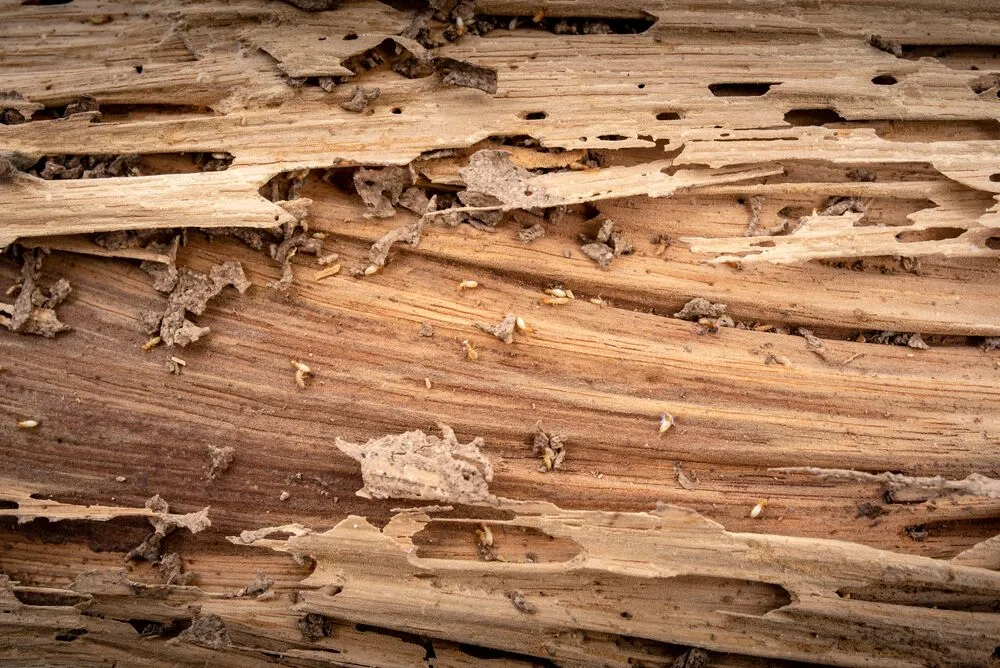
Are pests chewing wiring or nesting under your floors, making your home unsafe? Termites cause billions in damage each year, and rodents can slip through holes as small as half an inch.
This guide on crawl space pest protection will show how to seal gaps, add a vapor barrier, and use a dehumidifier to stop termites and rodents. Read on.
Crawl spaces can attract many unwanted guests such as mice, ants, and other insects often find their way in through tiny cracks or openings. Spotting early signs of pests in crawl space areas helps you act fast with tools like pest control sprays or vacuuming out dust to keep infestations from spreading.
Termites cause billions of dollars in U.S. property damage each year. Borate-based treatments provide long-lasting protection against wood-destroying insects, while liquid termiticides create a barrier around your foundation to deter entry.
Humid crawl spaces attract termites and cockroaches because they thrive in damp conditions. Installing a vapor barrier and using dehumidification helps lower moisture levels. Crawl space encapsulation and plastic sheeting also help prevent infestations while supporting overall moisture control. Adding insulation or spray foam and scheduling regular inspections can further reduce the risk of termites and other pests.
Rodents like mice and rats can squeeze into crawl spaces through openings as small as half an inch. These pests seek out food, water, and shelter in dark, enclosed spaces. Once inside, they often chew on air ducts, pipes, and electrical wiring, which can cause structural damage and create safety hazards.
Managing rodents requires quick action. Seal all openings around the foundation to eliminate entry points and consider reinforcing vulnerable areas for added protection. Regular inspections are important for identifying early signs of activity and preventing infestations from growing. Taking these steps helps protect your home from unwanted animals and long-term damage.
Pests can sneak into your crawl space through tiny gaps. Seal these openings to keep them out for good. A vapor barrier helps control moisture, too. Keeping your crawl space dry is key to stopping mold and pests from thriving.
Sealing crawl space openings is essential for keeping pests out. Large gaps can be filled with spray foam insulation to create a durable barrier. Smaller cracks should be packed with steel wool, which prevents rodents from squeezing through tight spaces. Caulk works well for sealing joints around doors, windows, and structural seams.
Regular inspections are important because seals can wear down over time, allowing pests to re-enter. Keeping the area around your foundation clean and free of debris also reduces hiding spots and makes your home less appealing to pests. Proper ventilation further supports pest prevention by reducing moisture and limiting mold growth.
Crawl spaces need to stay dry to prevent pest infestations. Vapor barriers, typically made of thick plastic sheets, are installed along the ground to block moisture from rising into the air. This helps keep the environment dry and less inviting for pests.
These barriers also reduce exposure to harmful gases and improve overall air quality inside the home. Moisture attracts pests like spiders and crickets, so controlling humidity is key to long-term protection. Professional installation ensures proper coverage and effectiveness.
Adding a dehumidifier alongside a vapor barrier provides an extra layer of moisture control. Regular inspections should be done to check for damage or shifting materials. Combining vapor barriers with encapsulation can further strengthen protection and improve crawl space conditions.
Long-term pest control is key for a safe crawl space. Crawl space encapsulation can keep pests away while improving air quality. Regular inspections and tough maintenance help catch problems early, too.
Crawl space encapsulation is a smart way to stop pests. This method uses strong liners and dehumidifiers. It creates a barrier against moisture and bugs, like termites and cockroaches.
A well-done encapsulation helps keep the humidity low in crawl spaces. This makes it much harder for pests to thrive.
Professional installation is key for maximum effectiveness. They know how to do it right. Crawl space encapsulation can also protect your home from water damage, making sure your foundation stays strong over time.
If you want real protection, think about this option; it’s worth the investment!
Regular inspections and maintenance are key to keeping crawl spaces pest-free. Annual inspections help identify early signs of termites, rodents, and other issues before they become serious problems.
Professional inspections provide a thorough evaluation of your crawl space and help detect hidden risks. Maintaining vapor barriers and other moisture control systems ensures they continue working effectively. Keeping records after each inspection allows you to track changes and plan maintenance accordingly.
Staying informed about common pests in your area and addressing issues early can save time and money while protecting your home long-term.
Protecting your crawl space from pests is vital. Termites and rodents can cause serious damage and harm. Use steps like sealing gaps, installing vapor barriers, and keeping spaces dry to keep them away.
Regular inspections by experts will help catch any problems early. With the right actions, you can enjoy a pest-free home for years to come.
Encapsulation helps cut pest entry. It seals gaps and adds a vapor barrier. It reduces food and wet spots that attract bugs and rodents. For full protection, pair it with crawl space repair and traps. Ask basement systems, inc. or the basement systems network for a plan.
A vapor barrier stops ground moisture and mold. It cuts damp air that draws termites and mice. It helps basements stay dry and eases foundation repair. Clean drains first, use a drain opener or a degreaser, then install the barrier.
Find and seal all entry points. Fix rot with crawl space repair and firm up the foundation with foundation repair if needed. Use bait, traps, and proper sanitation. Hire pros if the problem is big.
Call a pro if you see droppings, damaged wood, or sagging floors. Pros inspect, dry the space, and do crawl space repair. They add a vapor barrier, and fix drains with tools or a drain opener. They also advise on long term work, like foundation repair and basement care.
Business Name: Guardian Foundation Repair
Address: Willard, MO 65781
Phone: 417-742-8960
Business Hours:
Mon - Fri: 8:00 AM to 5:00 PM
Sat-Sun: Closed


Springfield MO • Willard MO • Ozark MO • Joplin MO • Republic MO • Nixa MO • Nevada MO • Branson MO • Camdenton MO • West Plains MO • Southwest City MO • Carthage MO • Rogersville MO • Sparta MO • Strafford MO • Marshfield MO • Stockton MO • Ava MO • Neosho MO • Anderson MO • Buffalo MO • Sedalia MO • Warsaw MO • Warrensburg MO • Clinton MO • Rolla MO • St. James MO • Waynesville MO • Cooper County MO • Cole County, MO • Boone County, MO • Calloway County, MO • Moniteau County, MO