
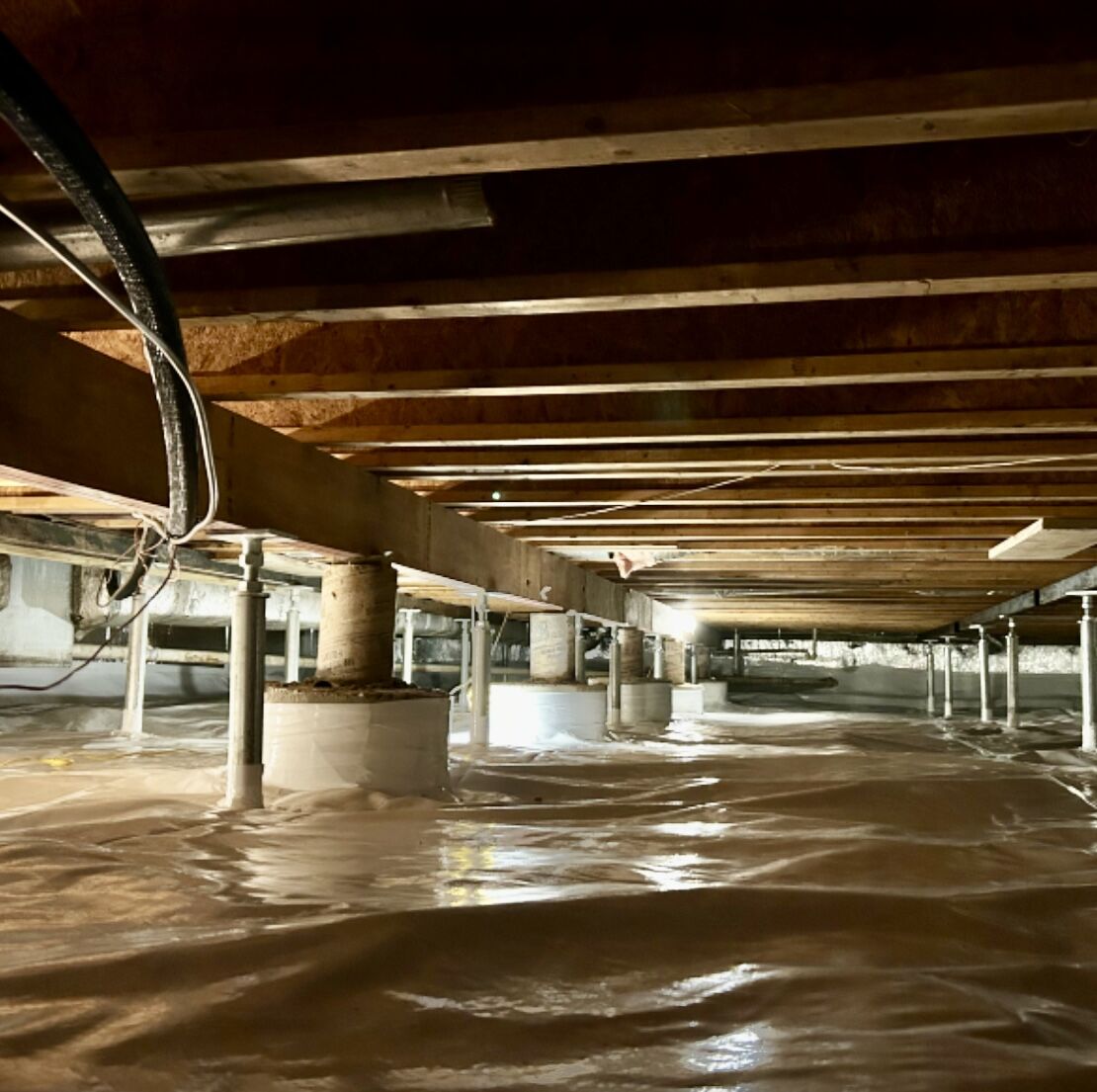
Basement water issues can be a homeowner’s nightmare, leading to structural damage and mold growth. Understanding the hidden reasons behind a wet basement is crucial for effective prevention and remediation. This article will explore the common causes of basement flooding, including poor drainage, foundation cracks, and sump pump failures. By identifying these issues, homeowners can take proactive steps to protect their property and maintain a dry, safe environment. We will also discuss effective drainage solutions, waterproofing methods, and emergency responses to flooding, ensuring you have the knowledge to tackle these challenges head-on.
Basement flooding can stem from various hidden causes that often go unnoticed until significant damage occurs. Identifying these causes is essential for effective remediation. Common culprits include poor drainage around the house, foundation cracks, and sump pump failures. Each of these issues can lead to water intrusion, compromising the integrity of your basement and home. Understanding how these factors contribute to flooding can help homeowners implement effective solutions.
Poor drainage around the house is a primary factor contributing to basement water intrusion. When the grading of the land slopes towards the foundation, rainwater can accumulate and seep into the basement. Additionally, clogged gutters and downspouts can exacerbate the problem by directing water towards the foundation instead of away from it. Implementing effective grading techniques and ensuring proper drainage systems are in place can significantly reduce the risk of water intrusion.
Foundation cracks are another significant cause of basement leaks. These cracks can form due to soil movement, settling, or temperature changes, allowing water to penetrate the basement. Detecting these cracks early is crucial for preventing further damage. Homeowners should regularly inspect their foundation for visible cracks and consider using a moisture meter to identify hidden leaks. Repairing foundation cracks promptly can help maintain a dry basement and prevent costly repairs.
Implementing effective basement drainage solutions is vital for preventing water accumulation. Various methods can be employed to manage water flow and protect your basement from flooding. These solutions include proper grading, foundation drainage systems, and backwater valves. Each method has its unique benefits and can be tailored to fit the specific needs of your property.
Effective grading techniques are essential for directing water away from the basement. A slope of at least 6 inches over the first 10 feet away from the foundation is recommended. This ensures that rainwater flows away from the house rather than pooling around the foundation. Additionally, installing swales or French drains can further enhance drainage and prevent water accumulation near the basement.
Foundation drainage systems, such as French drains, are designed to collect and redirect water away from the foundation. These systems typically consist of perforated pipes buried in gravel, allowing water to flow into the pipes and away from the house. Backwater valves are installed in the sewer line to prevent sewage from backing up into the basement during heavy rains. Together, these systems provide a comprehensive solution to basement water issues.
Sump pumps play a crucial role in keeping basements dry, but they can fail for various reasons. Recognizing the signs of sump pump failure is essential for timely intervention. Common indicators include unusual noises, frequent cycling, and the presence of water in the sump pit. Troubleshooting these issues can help homeowners maintain their sump pumps and ensure they function effectively when needed.
Mechanical faults, such as a jammed float switch or a burned-out motor, can lead to sump pump failure. Additionally, power outages during heavy rain can prevent the pump from operating, allowing water to accumulate in the basement. Homeowners should regularly inspect their sump pumps for signs of wear and consider investing in a battery backup system to ensure continued operation during power outages.
Smart sump pump sensors are innovative devices that monitor water levels and pump performance. These sensors can send alerts to homeowners via smartphone apps, allowing for real-time monitoring and quick action if issues arise. By integrating smart technology into sump pump systems, homeowners can enhance their basement waterproofing efforts and prevent flooding more effectively.
Choosing the right waterproofing materials and methods is crucial for protecting your basement from water intrusion. Various options are available, including waterproofing membranes, sealants, and drainage systems. Each method has its advantages and can be tailored to meet the specific needs of your basement.
Waterproofing membranes and sealants create a barrier that prevents water from penetrating the basement walls and floors. These materials are applied to the exterior or interior surfaces of the foundation, effectively blocking moisture. Homeowners should choose high-quality products that are specifically designed for basement waterproofing to ensure long-lasting protection.
Recent advancements in basement waterproofing technology have led to more effective and efficient solutions. Innovations such as liquid-applied membranes and advanced drainage systems offer improved performance and ease of installation. Homeowners should stay informed about these developments to make the best choices for their waterproofing needs.
Mold prevention and humidity control are essential components of maintaining a dry basement. High humidity levels can lead to mold growth, which poses health risks and damages property. Implementing effective humidity control measures can significantly reduce the likelihood of mold development and improve overall basement conditions.
Controlling humidity levels in the basement can be achieved through various methods. Using dehumidifiers, ensuring proper ventilation, and sealing cracks and gaps can help maintain optimal humidity levels. Homeowners should aim to keep humidity below 60% to prevent mold growth and create a healthier living environment.
Mold growth is often a clear indicator of underlying water problems in the basement. If mold is present, it suggests that moisture is accumulating, either from leaks or high humidity levels. Addressing the source of moisture is crucial for eliminating mold and preventing future growth. Regular inspections and prompt remediation can help maintain a mold-free basement.
When basement flooding occurs, quick action is essential to minimize damage and protect property. Homeowners should be prepared with a plan to address flooding emergencies effectively. Understanding the steps to take during a flood can make a significant difference in the outcome.
To mitigate water damage during a flooding event, homeowners should first turn off the electricity in the affected area to prevent electrical hazards. Next, they should remove any valuable items and furniture from the basement to prevent further damage. Using pumps and wet vacuums can help remove standing water quickly, while fans and dehumidifiers can aid in drying out the space.
Homeowners should consider calling professionals for basement waterproofing and repairs when the flooding is severe or when they are unsure how to address the issue. Professionals have the expertise and equipment to handle complex water problems effectively. Additionally, they can provide long-term solutions to prevent future flooding and protect the integrity of the home.
Business Name: Guardian Foundation Repair
Address: Willard, MO 65781
Phone: 417-742-8960
Business Hours:
Mon - Fri: 8:00 AM to 5:00 PM
Sat-Sun: Closed


Springfield MO • Willard MO • Ozark MO • Joplin MO • Republic MO • Nixa MO • Nevada MO • Branson MO • Camdenton MO • West Plains MO • Southwest City MO • Carthage MO • Rogersville MO • Sparta MO • Strafford MO • Marshfield MO • Stockton MO • Ava MO • Neosho MO • Anderson MO • Buffalo MO • Sedalia MO • Warsaw MO • Warrensburg MO • Clinton MO • Rolla MO • St. James MO • Waynesville MO • Cooper County MO • Cole County, MO • Boone County, MO • Calloway County, MO • Moniteau County, MO