We are closed for Easter on Monday April 6th!
Humidity can significantly affect the integrity and comfort of your home, particularly in areas like crawlspaces where moisture can accumulate. Understanding the sources and effects of crawlspace humidity is crucial for homeowners looking to maintain a healthy living environment. This article will explore the causes of crawlspace humidity, the potential damage it can inflict, and the various solutions available, including waterproofing and alternative moisture control methods. By the end, you will have a comprehensive understanding of whether waterproofing is the right choice for your home.
Crawlspace humidity is primarily caused by external environmental factors, such as rainfall, groundwater, and high humidity levels in the air. These elements can lead to moisture accumulation, which poses risks to both the structure of your home and the health of its occupants. High humidity levels can create an ideal environment for mold growth, which can compromise indoor air quality and lead to health issues. Additionally, prolonged exposure to moisture can weaken structural components, leading to costly repairs.
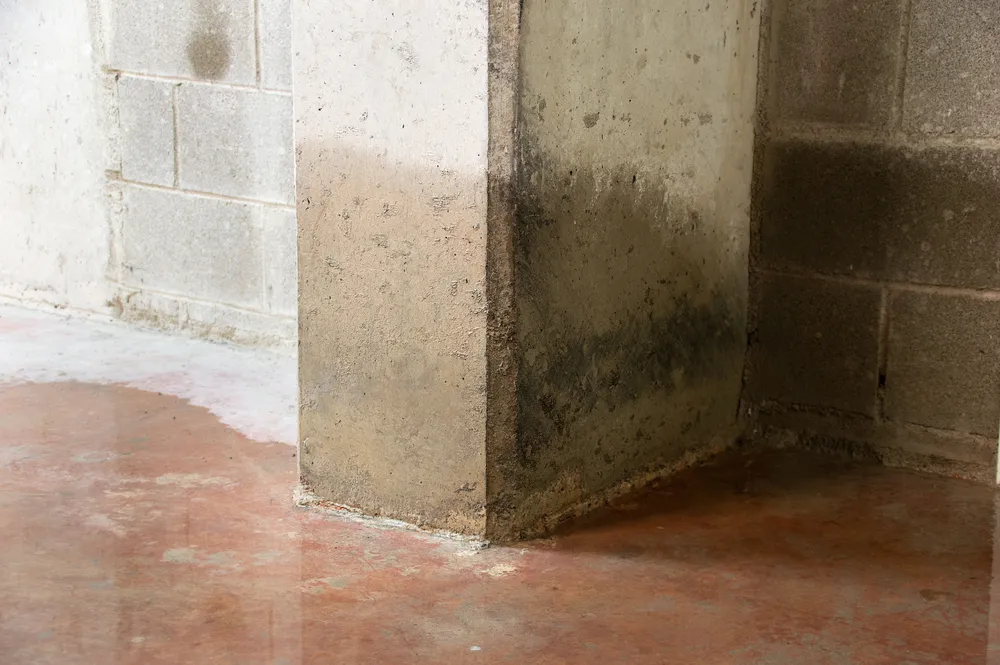
High humidity levels in crawlspaces can foster mold growth, which thrives in damp conditions. Mold can cause various health problems, including respiratory issues and allergic reactions. Furthermore, the presence of mold can indicate underlying moisture problems that may lead to structural damage. Over time, moisture can weaken wooden beams and supports, leading to sagging floors and compromised structural integrity. Addressing humidity issues promptly is essential to prevent these adverse effects.
Homeowners should be vigilant for signs of water damage in their crawlspaces. Common indicators include visible mold growth, which appears as dark spots or patches on walls and surfaces. A persistent damp smell, often described as musty odors, can indicate mold or mildew presence. Soft or crumbling wood in structural components is a sign of wood rot, and high humidity readings on a hygrometer indicate increased humidity levels. Recognizing these signs early can help mitigate further damage and maintain a safe living environment.
There are several effective waterproofing solutions available for managing crawlspace moisture. These methods can help protect your home from the damaging effects of humidity and water intrusion. Crawlspace encapsulation involves sealing the crawlspace with a vapor barrier to prevent moisture from entering, creating a controlled environment that reduces humidity levels. Installing a drainage system can help redirect water away from the foundation, preventing it from seeping into the crawlspace. Additionally, sump pumps can be installed to remove any water that accumulates in the crawlspace, ensuring it remains dry. For homeowners considering waterproofing, professional services can provide tailored solutions that address specific moisture issues.
Vapor barriers are essential components in crawlspace waterproofing. They are typically made of polyethylene and are installed on the ground and walls of the crawlspace. These barriers work by preventing moisture from the ground from evaporating into the air, thus reducing humidity levels. Waterproofing membranes serve a similar purpose but may also include additional features, such as being waterproof and resistant to mold growth. Together, these solutions create a protective layer that helps maintain a dry environment.
Hiring professionals for crawlspace waterproofing offers several advantages. Professionals have the knowledge and experience to identify specific moisture issues and recommend appropriate solutions. Professional services often come with warranties, ensuring that the work is done correctly and effectively. Investing in professional waterproofing can prevent costly repairs associated with water damage in the future, resulting in long-term savings. These benefits highlight the importance of considering professional services for effective moisture control.
While waterproofing is a robust solution for crawlspace moisture control, dehumidifiers and ventilation can also play a role in managing humidity levels. Dehumidifiers work by removing excess moisture from the air, helping to maintain optimal humidity levels in the crawlspace, and they are particularly effective in areas with high humidity. Proper ventilation can help circulate air and reduce humidity levels; however, it is most effective in conjunction with other moisture control methods. Understanding the effectiveness of these alternatives can help homeowners make informed decisions about their moisture control strategies.
Dehumidifiers function by drawing in humid air, cooling it to condense moisture, and then releasing drier air back into the environment. This process effectively lowers humidity levels, making it less conducive for mold growth and structural damage. Regular maintenance, such as emptying the water reservoir and cleaning filters, is essential for optimal performance.
Ventilation can be effective in reducing moisture levels when there is a consistent flow of dry air into the crawlspace. This method is particularly useful in climates where outdoor air is less humid. However, it may not be sufficient on its own in areas with high humidity or during wet seasons. Combining ventilation with other moisture control methods can enhance its effectiveness.
Assessing whether your home requires crawlspace moisture control involves evaluating several factors. Homeowners should regularly monitor humidity levels in the crawlspace using a hygrometer, as levels above 60% may indicate a need for moisture control. It is also important to look for visible damage such as signs of mold, wood rot, or water stains in the crawlspace. Additionally, considering the local climate and any recent weather events that may have increased moisture levels can help in making an informed decision. By evaluating these factors, homeowners can make informed decisions about the necessity of crawlspace moisture control.
Key indicators that suggest waterproofing may be necessary include persistent dampness, which means ongoing moisture issues despite ventilation or dehumidification efforts. Frequent mold appearances also indicate a moisture problem, as does evidence of water entering the crawlspace during heavy rains. Recognizing these signs can prompt timely action to protect your home.
The size of the crawlspace and its humidity levels significantly influence moisture control strategies. Larger crawlspaces may require more extensive solutions, such as multiple dehumidifiers or a comprehensive encapsulation system. Additionally, homes in areas with consistently high humidity may benefit more from waterproofing solutions than those in drier climates. Tailoring moisture control strategies to these factors ensures effective management of crawlspace humidity.
Investing in crawlspace waterproofing can yield significant long-term benefits, including enhanced home value and reduced repair costs. The initial costs of waterproofing can vary based on the size of the crawlspace and the chosen methods. However, the long-term savings from preventing water damage and mold growth often outweigh these initial expenses.
To maintain effective humidity control in a waterproofed crawlspace, homeowners should perform regular maintenance. This includes inspecting vapor barriers for tears or damage that may allow moisture to enter. Cleaning drainage systems is also important to ensure that drains are clear of debris to facilitate proper water flow. Additionally, regularly checking humidity levels with a hygrometer helps ensure they remain within acceptable ranges. By adhering to these maintenance practices, homeowners can ensure the longevity and effectiveness of their crawlspace moisture control solutions.
Business Name: Guardian Foundation Repair
Address: Willard, MO 65781
Phone: 417-742-8960
Business Hours:
Mon - Fri: 8:00 AM to 5:00 PM
Sat-Sun: Closed