We are closed on Monday Feb. 16th due to Presidents’ Day!
Basement waterproofing is a crucial aspect of home maintenance, ensuring that your foundation remains dry and protected from moisture damage. Understanding the lifespan of various waterproofing systems can help homeowners make informed decisions about their investments. This article will explore the expected longevity of different waterproofing methods, the factors that influence their durability, and the signs that indicate when repairs or replacements are necessary. Additionally, we will discuss maintenance practices that can extend the life of your waterproofing systems and provide a cost versus lifespan analysis for various solutions. By the end of this article, you will have a comprehensive understanding of how long basement waterproofing lasts and how to maximize its effectiveness.
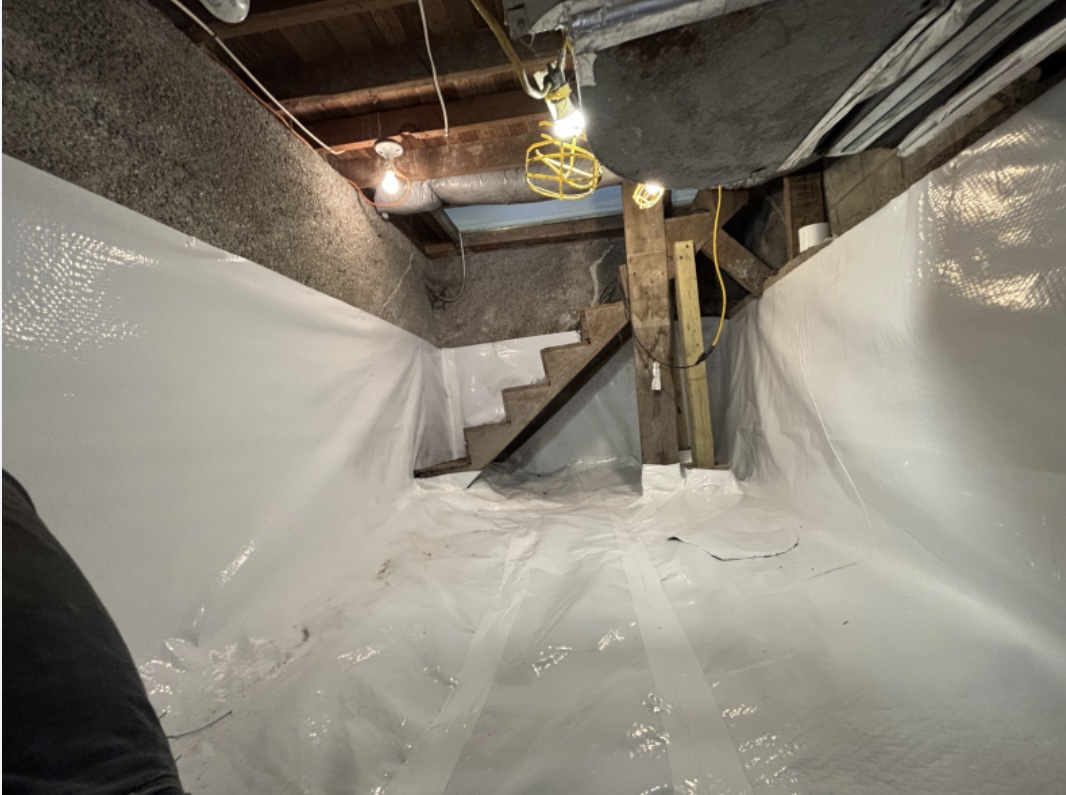
There are several common methods for waterproofing basements, each with its own expected lifespan and effectiveness. Understanding these methods can help homeowners choose the best option for their needs. Exterior waterproofing involves excavating around the foundation and applying a waterproof membrane to the exterior walls, often combined with drainage solutions like a French drain. It typically lasts 15-30 years, depending on the quality of materials used, installation, and environmental conditions. Interior waterproofing includes sealing the interior walls and installing drainage systems such as interior French drains or sump pumps. It generally has a lifespan of 10-20 years, as it manages water that has already entered the basement. Crawl space encapsulation seals off the crawl space with a vapor barrier and often includes dehumidification to prevent moisture intrusion. This method can last 10-20 years, depending on the materials and installation quality.
Exterior waterproofing techniques are generally more durable and effective at preventing water intrusion than interior methods. The application of a waterproof membrane on the outside of the foundation provides a robust barrier against water. In contrast, interior waterproofing methods manage water after it has entered or penetrated, thus protecting the living space but not the foundation walls themselves from moisture. Therefore, while both methods have their merits, exterior waterproofing is often preferred for long-term moisture protection and foundation preservation.
Reinforcing the necessity of dedicated waterproofing, research highlights that even high-quality concrete foundations may require additional measures to prevent moisture transfer.
Several factors can significantly impact the longevity of basement waterproofing systems. Understanding these factors can help homeowners make informed decisions about their waterproofing solutions. The quality of the materials used in waterproofing systems plays a crucial role in their durability. High-quality membranes and sealants are more resistant to wear and environmental factors, leading to longer lifespans. Proper installation is vital for the effectiveness of any waterproofing system, as poor installation can lead to premature failure regardless of the material quality. Additionally, the local climate and soil conditions can affect the longevity of waterproofing systems. Areas with high moisture levels, poor drainage, or expansive soils may require more robust solutions to ensure long-term effectiveness.
High-quality materials are designed to withstand environmental stressors, such as moisture and temperature fluctuations. For example, premium waterproofing membranes often feature advanced technology that enhances their durability and resistance to punctures. In contrast, lower-quality materials may degrade more quickly, leading to potential failures in moisture protection.
Proper installation is critical for maximizing the lifespan of waterproofing systems. Even the best materials can fail if not installed correctly. Homeowners should consider hiring experienced professionals to ensure that the installation meets industry standards and best practices. This investment can save money in the long run by reducing the need for repairs or replacements.
Identifying the signs of waterproofing failure early can prevent more extensive damage to your home. Homeowners should be vigilant for visible damage such as cracks in the foundation walls or floor, which can indicate that waterproofing systems are failing. Signs of moisture, such as damp spots or mold growth, suggest that water is penetrating the basement. A persistent musty smell can indicate trapped moisture and potential mold growth.
To assess the effectiveness of your waterproofing system, homeowners should regularly inspect their basements for signs of moisture intrusion. This includes checking for water stains, mold growth, efflorescence (white powdery deposits), and any visible cracks in the foundation. If any of these symptoms are present, it may be time to consult a professional for an evaluation.
Regular inspections of foundation waterproofing systems are essential for maintaining their effectiveness. Homeowners should schedule inspections at least once a year, or more frequently in areas with high moisture levels or after major weather events, such as heavy rain or flooding. Inspections can identify issues early before significant damage occurs.
Regular maintenance is key to extending the lifespan of basement waterproofing systems. Homeowners can take several proactive steps to ensure their systems remain effective. Routine inspections, such as regularly checking for signs of wear or damage, can help catch issues early. Cleaning gutters and drainage systems to keep them clear of debris ensures proper water flow away from the foundation. Addressing landscaping issues by ensuring that landscaping slopes away from the foundation can prevent water accumulation around the base of the home.
Homeowners should perform the following maintenance tasks regularly: inspect the foundation at least once a year; clean gutters and downspouts twice a year, ideally in spring and fall; and check drainage systems annually, or after heavy rainfall.
Regular inspections allow homeowners to identify and address potential issues before they escalate into significant problems. By maintaining a proactive approach to waterproofing, homeowners can significantly extend the lifespan of their systems and protect their homes from moisture damage.
Business Name: Guardian Foundation Repair
Address: Willard, MO 65781
Phone: 417-742-8960
Business Hours:
Mon - Fri: 8:00 AM to 5:00 PM
Sat-Sun: Closed