We are closed on Monday Feb. 16th due to Presidents’ Day!
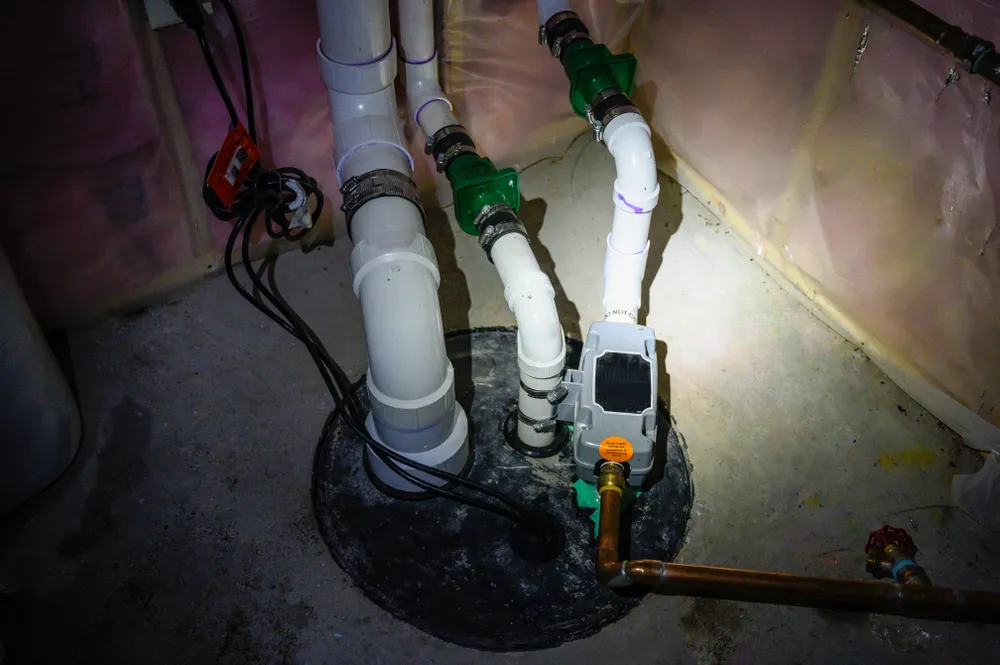
A sump pump is a crucial device for homeowners, especially those with basements or crawl spaces prone to flooding. Understanding whether you need one can save you from costly water damage and structural issues. This guide will help you identify the signs that indicate the necessity of a sump pump, explore the differences between sump pumps for basements and crawl spaces, and discuss installation processes and costs. Additionally, we will cover advanced sump pump technologies, complementary waterproofing solutions, and maintenance tips to ensure your system operates effectively. By the end of this article, you will have a comprehensive understanding of sump pumps and their importance in protecting your home from water damage.
Identifying the need for a sump pump involves recognizing specific signs of moisture and flooding in your basement or crawl space. These indicators can help you determine if a sump pump is necessary to protect your home from water damage and maintain its structural integrity.
Common signs of basement flooding and moisture issues include visible water stains or discoloration on walls, which indicate water intrusion. Persistent musty odors often signal mold growth due to excess moisture. Additionally, increased humidity levels can lead to condensation and mold, suggesting inadequate drainage or moisture control. Recognizing these signs early can prevent more severe damage and costly repairs.
Moisture in crawl spaces can significantly impact the integrity of your home. Excess moisture can lead to rotting wood, compromising structural support. Mold thrives in damp environments, posing health risks and damaging materials. Prolonged moisture exposure can also contribute to foundation problems, potentially leading to costly repairs. Addressing crawl space moisture is essential for maintaining a safe and stable home environment.
Understanding the differences between sump pumps designed for basements and those for crawl spaces is crucial for effective water management. Each type has unique features tailored to its specific environment.
The best sump pump types for basements include submersible pumps, which are installed below the water level in the sump pit and are effective for larger volumes of water. Pedestal pumps, positioned above the sump pit, are easier to maintain and suitable for smaller basements or shallower pits. When selecting a pump, consider capacity based on the expected water volume and the size of your basement. Choosing the right type ensures efficient water removal and protection against flooding.
Key features that make a sump pump ideal for crawl space waterproofing include a compact design, as smaller pumps fit easily in tight crawl spaces without taking up much room. Energy efficiency is also important, as energy-efficient models reduce electricity costs while providing reliable performance. Additionally, automatic operation with pumps that have automatic switches activates when water levels rise, ensuring continuous protection. These features enhance the effectiveness of sump pumps in preventing moisture-related issues in crawl spaces.
Installing a sump pump involves several steps and considerations regarding costs. Understanding the installation process can help you prepare for this essential home improvement.
The sump pump installation process typically includes site preparation by clearing the area where the sump pit will be located. Next, the pump is installed in the sump pit, ensuring proper positioning for optimal drainage. After installation, the system is tested to ensure the pump operates correctly and efficiently. Following these steps ensures a successful installation and effective water management.
Advanced sump pump technologies, such as battery backup and smart pumps, provide enhanced flood prevention capabilities. These innovations offer additional security against water damage.
Battery backup systems offer several advantages during power outages. They ensure the sump pump continues to function even when the power is out, providing peace of mind to homeowners who can rest easy knowing their property is protected regardless of electrical issues. Additionally, investing in a battery backup can be cost-effective by potentially saving money in flood damage repairs. These benefits make battery backup systems a valuable addition to any sump pump setup.
Smart sump pumps come equipped with monitoring features that enhance their functionality. They provide real-time alerts, sending notifications to homeowners’ smartphones if water levels rise or if the pump fails. Remote monitoring allows users to check the status of their sump pump from anywhere, ensuring peace of mind. Many smart pumps also integrate with existing home automation systems for seamless operation. These features provide homeowners with greater control and awareness of their sump pump systems.
Complementary waterproofing solutions can enhance the effectiveness of sump pumps in preventing water damage. Understanding these options is essential for comprehensive basement protection. A thorough understanding of groundwater conditions is crucial for designing an effective and cost-efficient basement waterproofing system.
Water drainage systems work in conjunction with sump pumps to manage excess water effectively. These systems typically include gutters, downspouts, and French drains that direct water away from the foundation. Properly designed drainage systems reduce the volume of water that reaches the sump pump, enhancing its efficiency. To maintain their effectiveness, it is important to regularly clean gutters and ensure proper grading around the foundation to prevent water accumulation.
Regional climate factors play a significant role in determining basement flooding risks. Areas with heavy rainfall are more susceptible to flooding, necessitating effective sump pump systems. Saturated soil can lead to increased water pressure against foundation walls, causing leaks. Understanding seasonal weather patterns can help homeowners prepare for potential flooding events. Awareness of these factors allows homeowners to take proactive measures in flood prevention.
Business Name: Guardian Foundation Repair
Address: Willard, MO 65781
Phone: 417-742-8960
Business Hours:
Mon - Fri: 8:00 AM to 5:00 PM
Sat-Sun: Closed