We are closed on Monday Feb. 16th due to Presidents’ Day!
Crawlspaces are often misunderstood areas of a home, leading to various myths that can impact maintenance and health. This article aims to clarify common misconceptions about crawl space management, focusing on effective ventilation, moisture control, insulation, mold prevention, and waterproofing solutions. Readers will learn about the real benefits of proper crawl space management and how to avoid pitfalls associated with outdated beliefs. By addressing these myths, homeowners can make informed decisions that enhance their living environment and protect their property. The following sections will explore ventilation myths, moisture control methods, insulation options, mold prevention strategies, and waterproofing techniques, providing a comprehensive understanding of crawl space management.
Crawl space ventilation is often surrounded by misconceptions that can lead to improper management. Understanding the truth behind these myths is essential for maintaining a healthy home environment. Proper ventilation can help regulate humidity levels and improve air quality, but it is not a one-size-fits-all solution.
Ventilation does not always enhance crawl space conditions; in most cases, it can exacerbate problems. For instance, while ventilation can help reduce humidity in certain climates, it may also introduce outdoor air pollutants and allergens into the crawl space. In humid regions, excessive ventilation can lead to increased moisture levels, promoting mold growth. Therefore, it is crucial to assess the specific conditions of your crawl space before deciding on a ventilation strategy.
Crawl space ventilation is necessary in specific situations, such as in dry climates where moisture buildup is less common. However, it can be harmful if not managed correctly, especially in humid climates where it can introduce moisture. Indicators for necessary ventilation include persistent dampness, musty odors, and visible mold growth. Conversely, excessive ventilation can lead to drafts and temperature fluctuations, which may negatively impact energy efficiency. Homeowners should consult with experts to determine the best approach for their unique circumstances.
Moisture control is a critical aspect of crawl space management, as it directly impacts the integrity of the home and the health of its occupants. Effective moisture management prevents mold growth and structural damage, ensuring a safe living environment.
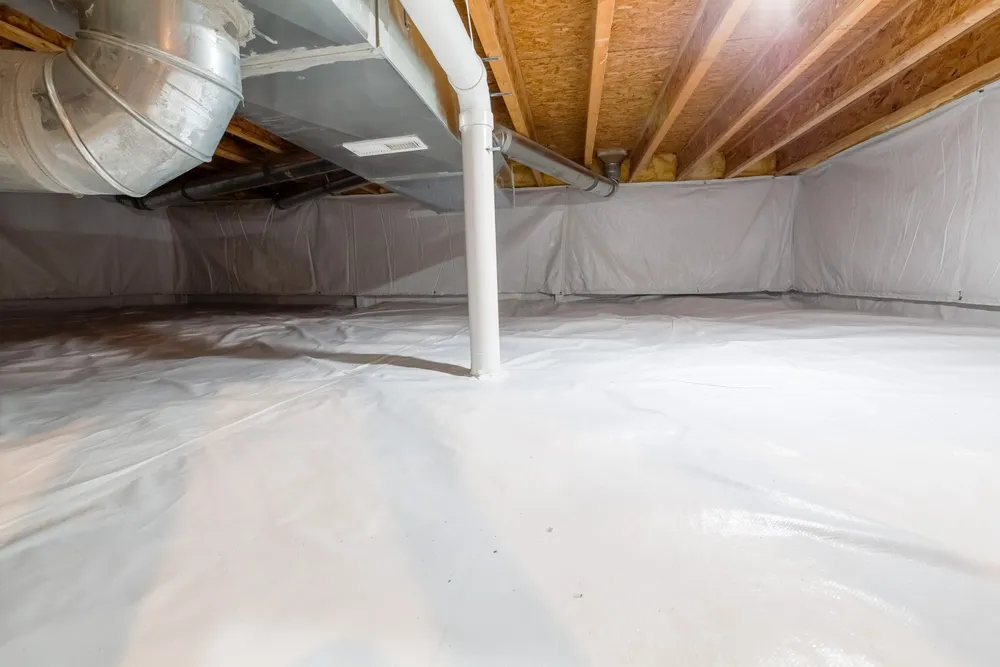
Effective moisture barriers include polyethylene sheeting and specialized vapor barriers designed to prevent moisture from seeping into the crawl space. These barriers are essential for maintaining a dry environment and can significantly reduce the risk of mold growth. Vapor control methods, such as dehumidifiers and proper drainage systems, further enhance moisture management by actively removing excess humidity from the air.
Encapsulation involves sealing the crawl space with a vapor barrier and insulating the walls, creating a controlled environment that minimizes moisture intrusion. This method not only reduces humidity levels but also prevents the growth of mold and mildew. Studies have shown that encapsulated crawl spaces experience significantly lower moisture levels, leading to improved indoor air quality and reduced risk of structural damage.
For those seeking high-quality moisture control solutions, encapsulation systems can be a valuable investment. These systems often include advanced features such as drainage systems and sump pumps to further enhance moisture management.
Mold prevention is crucial for maintaining indoor air quality and protecting the health of occupants. Understanding the signs of mold growth and effective prevention techniques can help homeowners safeguard their living spaces.
Common signs of mold growth in crawl spaces include visible mold patches, musty odors, and increased humidity levels. Homeowners should regularly inspect their crawl spaces for these indicators and take immediate action if mold is detected. Early intervention is key to preventing extensive damage and health issues associated with mold exposure.
Effective repair and maintenance techniques for preventing mold recurrence include regular inspections, and ensuring adequate moisture control. Homeowners should also address any leaks or water intrusion promptly to minimize the risk of mold growth. Expert recommendations emphasize the importance of a proactive approach to crawl space maintenance.
Waterproofing is essential for protecting crawl spaces from water intrusion and damage. Understanding the various methods available and their associated costs can help homeowners make informed decisions.
Waterproofing solutions, such as exterior drainage systems, sump pumps, and French drains, work in conjunction with encapsulation to provide comprehensive protection against moisture. These systems help redirect water away from the foundation, reducing the risk of flooding and water damage. Homeowners should consider integrating waterproofing solutions with encapsulation for optimal results.
Crawl space waterproofing can be a cost-effective investment, particularly when considering the potential damage caused by water intrusion. While initial costs vary depending on the chosen method and size of the crawl space, the long-term benefits of preventing structural damage and mold growth often outweigh the expenses. Homeowners should evaluate their specific needs and consult with professionals to determine the best waterproofing solutions for their crawl spaces.
Proper crawl space management offers numerous health and energy benefits, contributing to a safer and more efficient home environment.
Effective moisture control significantly reduces mold-related health complaints, such as respiratory issues and allergies. By maintaining a dry environment, homeowners can improve indoor air quality and promote overall health. Research indicates that homes with well-managed crawl spaces experience fewer health problems related to mold exposure.
In summary, debunking common crawl space myths is vital for effective home maintenance and health protection. Encapsulation, moisture control, mold prevention, and waterproofing are key components that work together to create a safe and energy-efficient environment. Homeowners who understand and apply these principles can avoid costly repairs, improve indoor air quality, and enhance the overall durability of their homes. Investing in professional assessment and tailored solutions ensures that crawl spaces remain a beneficial part of the home rather than a source of problems.
Business Name: Guardian Foundation Repair
Address: Willard, MO 65781
Phone: 417-742-8960
Business Hours:
Mon - Fri: 8:00 AM to 5:00 PM
Sat-Sun: Closed