We are closed for Easter on Monday April 6th!
Springfield homeowners face a crucial decision when combating basement moisture: apply DIY waterproofing techniques or rely on expert contractors offering long-term protection. This comparison covers the mechanics of each approach, cost considerations, Springfield-specific factors, and a decision framework that ensures the chosen method aligns with property needs and budget. Readers will learn how DIY methods work, what professional waterproofing services include, detailed cost breakdowns, local regulations, and a structured matrix to guide the final choice.
DIY waterproofing refers to homeowner-led attempts to seal basements or crawl spaces using readily available materials. Common methods include applying masonry sealants, waterproof paints, caulking foundation cracks, and installing simple drain mats. These techniques provide an initial barrier against light seepage and can cost-effectively address minor issues. Homeowners often complete these tasks over a weekend, gaining hands-on experience while saving on labor—but this streamlined process may lack the comprehensive scope of professional systems.
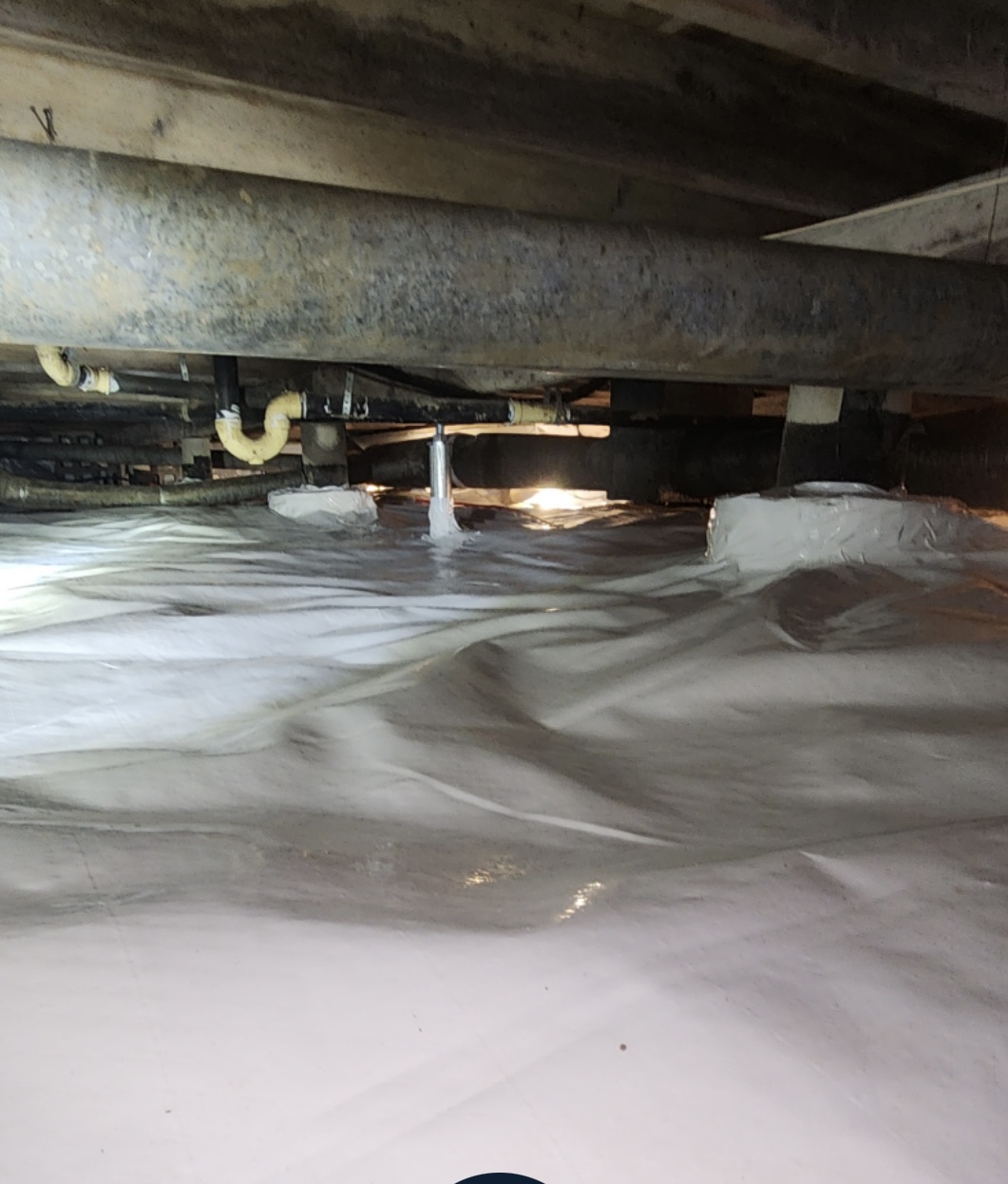
Professional waterproofing contractors deliver a full assessment of water intrusion causes and install engineered systems to prevent recurrence. Services often include exterior membrane application, installation of French drains and interior drainage channels, sump pump setup, crawl space encapsulation, and foundation crack injection. Contractors conduct soil analysis, adhere to building codes, and integrate warranty coverage. These specialized methods ensure durable protection and structural integrity that extends well beyond what basic sealants can achieve.
Homeowner-led waterproofing carries several potential drawbacks, including a lack of comprehensive moisture assessment that can leave hidden leaks unaddressed, the risk of surface sealants failing under hydrostatic pressure leading to recurring water intrusion, potential damage to foundation materials from improper tool use or technique, the absence of warranties which can void insurance or home guarantees, and the possibility of fines or required rework due to failure to comply with local codes. These limitations illustrate why certain moisture issues demand professional expertise and engineered solutions.
Professional waterproofing offers advantages that extend beyond immediate leak control, such as long-term durability through multi-layer membranes and drainage systems, written warranties protecting against future water damage, customized solutions based on soil conditions and structural analysis, increased property value by preventing mold, structural decay, and energy loss, and code compliance and permit handling for exterior excavation. These benefits justify the upfront investment by reducing maintenance needs and safeguarding home equity.
Research indicates that the long-term costs associated with DIY waterproofing, including potential rework and the lack of warranties, can often exceed the initial savings. Professional services, while having a higher upfront cost, often provide a better return on investment due to the durability of the materials used and the inclusion of warranties, which protect against future water damage.
This research supports the article’s comparison of DIY and professional waterproofing costs and the long-term financial implications of each approach.
Professional waterproofing can increase Springfield home values by up to 25% by preventing structural deterioration and mold. Whereas DIY fixes may postpone minor leaks, engineered solutions avoid recurring repair bills and protected warranties reduce unforeseen costs. Over a decade, professional investment often yields net savings and preserves resale appeal more effectively than intermittent DIY maintenance.
Studies show that professional waterproofing can significantly increase a home’s value by preventing structural damage and mold growth. This increase in value is a direct result of the long-term protection and warranties offered by professional services, which provide homeowners with peace of mind and protect their investment.
This citation supports the article’s claim that professional waterproofing can increase property value and highlights the benefits of professional services.
Springfield’s clay-rich soil and seasonal heavy rainfall create high hydrostatic pressure against foundations. Extended wet seasons elevate groundwater levels, leading to basement seepage and crawl space moisture. Recognizing these conditions helps tailor waterproofing methods to local environmental stresses.
Exterior excavation or significant structural modifications require city permits in Springfield, MO. Code compliance ensures that waterproofing systems meet safety and environmental standards. Professional contractors typically manage permit acquisition and inspections, eliminating homeowner delays or regulatory fines.
DIY waterproofing suits situations where water intrusion is limited to hairline cracks or surface dampness, homeowners possess basic masonry and caulking skills, the project scope is small and budget constraints are strict, and quick, temporary fixes are acceptable. Simple tasks like sealing minor cracks can be effectively handled without professional intervention when these conditions align.
Professional intervention is advised when severe foundation cracks or structural settlement exist, interior drainage or exterior membrane systems are required, long-term warranties and code compliance are priorities, or mold growth or health risks arise from persistent moisture. Complex problems and high-impact scenarios necessitate engineered solutions that DIY methods cannot replicate.
DIY waterproofing can address small-scale leaks quickly, but professional services deliver comprehensive, code-compliant solutions with warranty protection. For tailored, durable systems, explore our professional waterproofing services in Springfield, MO, ensuring your home stays dry and structurally sound for years to come.
Business Name: Guardian Foundation Repair
Address: Willard, MO 65781
Phone: 417-742-8960
Business Hours:
Mon - Fri: 8:00 AM to 5:00 PM
Sat-Sun: Closed